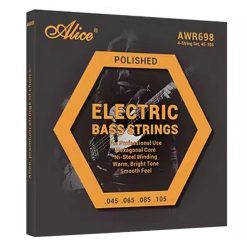
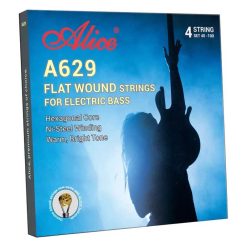
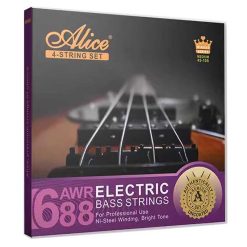
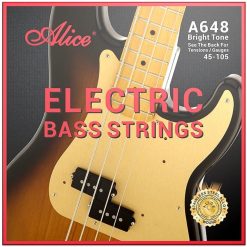
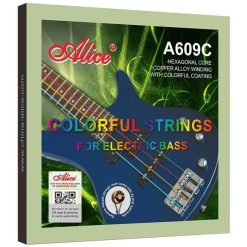
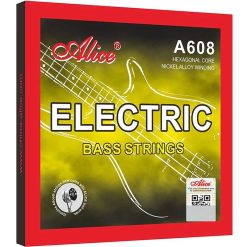
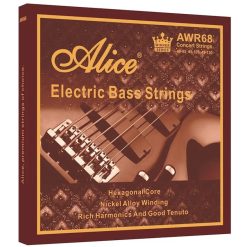
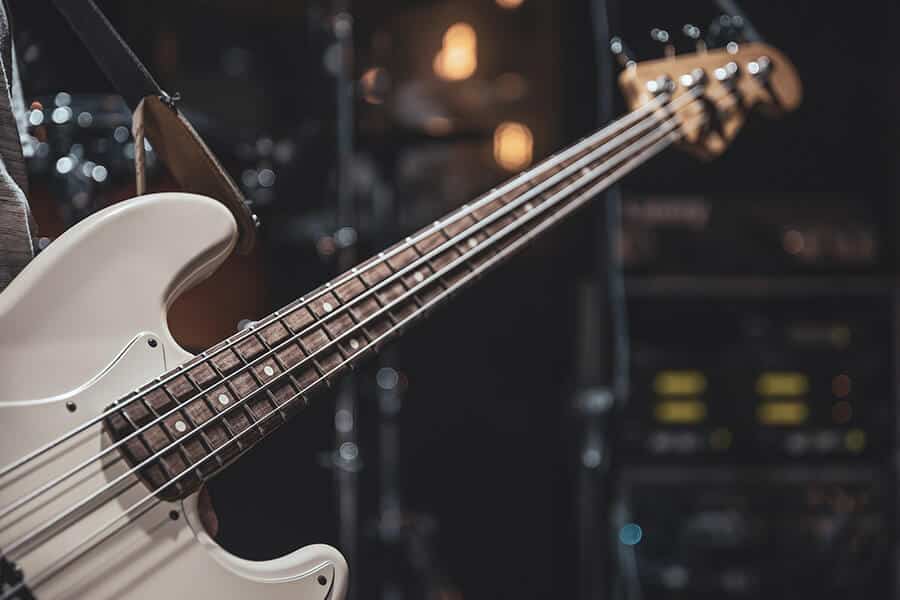
The bass guitar, an essential instrument in the creation of rhythm and melody in modern music, requires special strings to produce its distinct sound.
The choice of strings, whether they are produced by renowned manufacturers such as Ernie Ball, D’Addario, Fender, GHS, Rotosound, Gibson or Elixir, has a major impact on the sound and play of the bassist. It is crucial to understand the difference between the different types of strings, their manufacturing materials and their sound characteristics.
Roundwound Strings
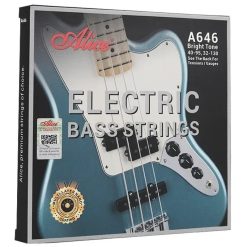
Roundwound strings are the most popular choice among bassists because of their bright and clear sound.
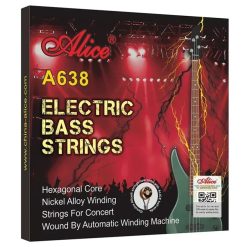
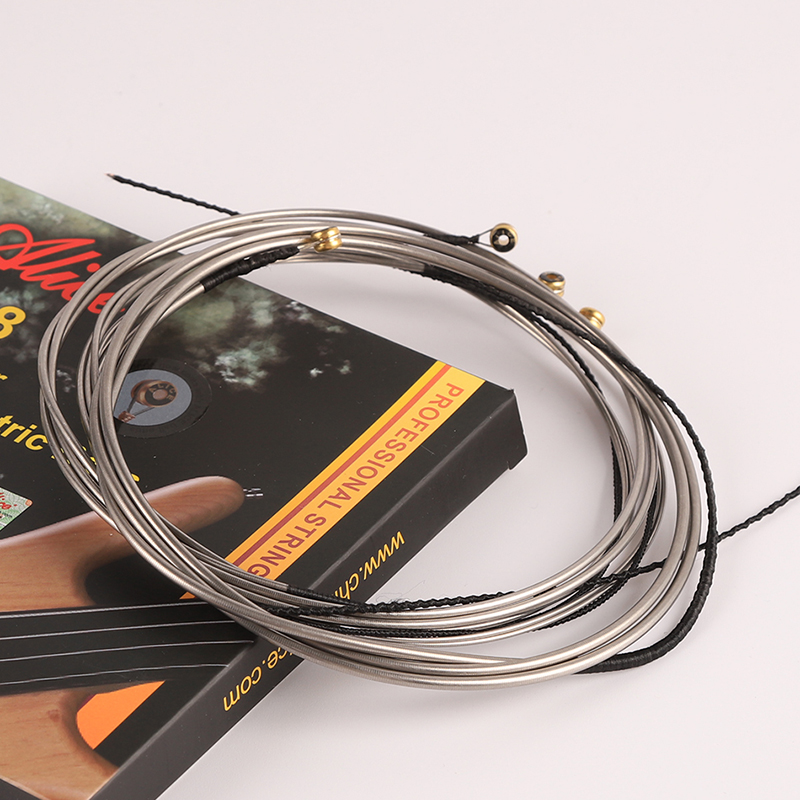
They are made by winding a steel or nickel wire around a round or hexagonal core. These strings, often available from brands like Martin Strings, Guild Guitars or Dean Markley, tend to produce a more vibrant sound with a higher action, which can be beneficial for slap or pop techniques.
Flatwound Strings
Flatwound strings are appreciated for their soft and round sound. They are made by winding a flat wire around the core of the string, which gives a smooth surface that is easier on the fingers and reduces fret noise.
Brands like La Bella, Thomastik and Pyramid are famous for their quality flatwound strings. These strings are often used in jazz and soul for their warm tone and prolonged sustain.
Halfwound Strings
Finally, halfwound strings, also known as Hexagonal strings, offer a balance between roundwound and flatwound strings. They are made by winding a flat wire around a hexagonal core, which gives a combination of the brightness of roundwound strings and the comfort of flatwound strings.
Half-wound strings are ideal for bassists looking for a versatile sound suitable for several musical genres. Brands like Dunlop and Slinky offer excellent options for this type of strings.
How to choose the right bass guitar strings
The choice of bass guitar strings can have a significant impact on the sound you produce, as well as on the comfort of playing. Taking into account factors such as the material of the strings, their gauge, and their action can help you make an informed choice. Reputable brands like Ernie Ball, D’Addario, Fender, and GHS offer a wide range of strings to meet various needs.
Depending on your music style
The style of music you play can greatly influence the type of strings you choose. For example, steel strings are known for their bright tone and prolonged sustain, which makes them ideal for rock and metal.
Bronze, phosphor-bronze, and nylon strings, offered by brands like Rotosound and Gibson, are generally used for jazz, blues, and folk, thanks to their tonal warmth. The flatwound (flat strings) and roundwound (round strings) from Ernie Ball and offers different tones and are suitable for various genres.
Depending on your level of play
The skill level of the bassist can also influence the choice of strings. Beginners may prefer lighter and less expensive strings, like the Slinky Strings from Ernie Ball or the strings from Dunlop, which are easier to play and replace. Advanced players may opt for high-quality strings, like the steel strings from Elixir or the signature strings from certain brands. It’s important to note that changing strings may require adjusting the action of the strings, which can be difficult for less experienced players.
Depending on the configuration of your bass
The configuration of your bass should also be taken into account when choosing strings. For example, a long-scale bass may require longer strings, and the type of strings you choose (steel, bronze, nylon, etc.) can affect the timbre of your instrument. Additionally, the choice between hexagonal or round strings can affect the sound and feel of your bass. Brands like Martin Strings and Guild Guitars offer a variety of strings suitable for different bass configurations.
Maintenance and changing of bass guitar strings
Bass guitar strings are an essential part of the instrument that, like other parts, require regular maintenance to maintain their sound quality.Ernie Ball Strings, D’Addario, Fender, GHS, Rotosound Strings, Gibson, Elixir, and many others. Strings can be made from different materials, including nylon, steel, phosphor-bronze, and can have different shapes such as flatwound (flat strings) and roundwound (round strings).
When should you change bass guitar strings?
The lifespan of bass guitar strings can vary depending on several factors, including the frequency of use, weather conditions, and the acidity of the user’s sweat. In general, it is recommended to change them every 3 to 6 months. However, if you notice that your strings have become brittle, worn out, or they no longer produce the same sound, it is probably time to replace them. New strings produce a clearer and more vibrant sound, which can enhance the quality of your play.
How to change bass guitar strings
Changing the strings on your bass guitar is a relatively simple process. Start by loosening the old string by turning the tuning key counterclockwise. Once loosened, you can remove it from the instrument. Then, take the new string and pass it through the hole of the tuning peg, making sure to leave enough slack to be able to wind it around the tuner.
Tips for keeping your bass guitar strings in good condition
To extend the life of your bass guitar strings, it is recommended to clean them after each use with a dry cloth to remove sweat and grease residues.
In addition, the use of a specific string lubricant can help prevent corrosion and maintain their flexibility. Furthermore, it is advisable to always have a set of spare strings at hand in case of an unexpected string break. Finally, the action of the strings, that is, the height of the strings in relation to the fretboard, can affect the sound and playing comfort, so it is important to adjust it according to your preferences.
Subscribe to Our Newsletter and Get 5% Off Your First Order!*
* Excludes ongoing sales.
By signing up, you will receive your 5% discount code by email. You can unsubscribe at any time. See our privacy and cookie policy for more information.