23,90€
This product has multiple variants. The options may be chosen on the product page
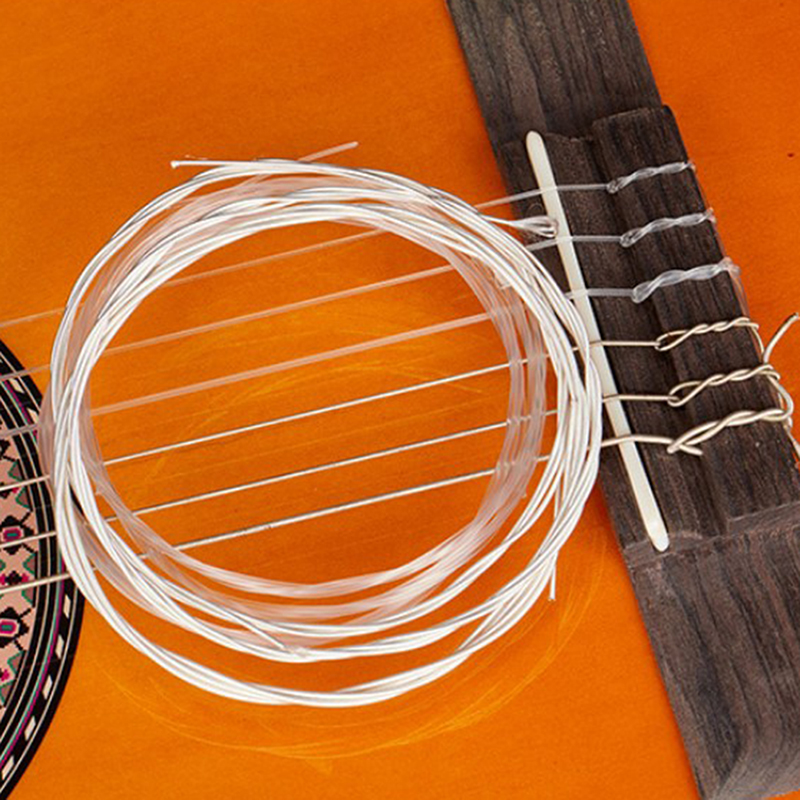
All about classical guitar strings
The world of classical guitar strings is vast and varied, offering a wide range of choices for musicians. From D’Addario strings to Elixir strings, through Augustine strings and Savarez strings, each brand offers a unique user experience. The material of the strings, mainly nylon for classical guitars, greatly influences the sound relief. The bass strings and the high strings, also called treble strings, have different tensions that modify the sound of the instrument and the playability. Left-handed guitarists are not left out, with most brands also offering suitable strings.
Brief history of classical guitar strings
Classical guitar strings have evolved over time, transitioning from the use of animal guts to nylon. Manufacturers such as D’Addario and Ernie Ball have revolutionized the market by offering high-quality strings at competitive prices. The reviews and professional preferences of guitar artists have also played a role in the evolution of these stringed instruments. Online shopping has made these musical products more accessible, with comparisons helping guitarists choose the strings that best suit their needs and music style.
The differences between classical guitar strings and other types of strings
Classical guitar strings differ from acoustic and electric guitar strings in their material and sound. Nylon provides a clear sound and distinct vibrations compared to the bronze strings used for folk guitars, for example. Heavy strings produce a louder and richer sound, while light strings are easier to play. It is essential to have spare strings and replacement strings in case of breakage, so as not to interrupt the musical experience. Guitar accessories, like picks and the capo, can also help to improve the sound and playability of the instrument.
Types and materials of classical guitar strings
The world of classical guitar strings is vast and diverse, with a variety of options available for musicians of all levels. Whether you’re a beginner looking for your first guitar or an experienced professional, it’s essential to understand the different types of strings available, as well as the materials used for their manufacture. Classical guitar strings are typically classified into several types, including D’Addario Strings , Ernie Ball , Savarez Strings , Elixir Strings , and Augustine Strings . Each of these brands offers a unique range of strings, ranging from bass strings to high strings and treble strings, offering different string tensions to meet various playability needs.
The different types of classical guitar strings
D’Addario strings are well known for their clear sound and balanced vibrations, while Ernie Ball strings are appreciated for their robustness and long lifespan. Savarez Strings are famous for their exceptional sound relief, while Elixir Strings are known for their unique coating that extends their lifespan. Augustine Strings, on the other hand, are appreciated for their ability to produce a rich and complex sound. The choice of strings largely depends on each musician’s personal preferences, musical style, and instrument. Whether you play on an acoustic or electric guitar, there is an ideal set of strings for you.
Materials used for classical guitar strings: Nylon, Steel, etc.
When it comes to materials, classical guitar strings are typically made from nylon or steel. Nylon strings, often used on classical guitars, produce a soft sound and are easy to play, making them ideal for beginners. Steel strings, on the other hand, are typically used on electric and acoustic guitars, and produce a louder and brighter sound. Other materials such as bronze and brass can also be used, offering a unique sound palette. Ultimately, the choice of material will depend on your personal preferences and your style of music.
Choosing the right strings for your classical guitar
The choice of your strings can make a significant difference in the user experience and sound relief of your classical guitar. Guitar strings are available in different materials, each with its own sound properties. The D’Addario Strings , Ernie Ball , Savarez Strings , Elixir Strings and Augustine Strings are among the most popular in the music industry. Nylon is often preferred for classical guitars due to its playability and clear sound. Bronze strings, on the other hand, are preferred for acoustic and electric guitars. Folk strings, for example, offer a richer harmonic sound.
How to Choose the Right Set of Strings Based on Your Playing Style
The choice of the right set of strings largely depends on your playing style. Some guitarists prefer light strings for their ease of play and softer vibrations, while others prefer heavy strings for their richer and deeper sound. High strings, or treble strings, are generally favored for solos, while bass strings are used for rhythm and accompaniment. Shopping online can be a good option to compare different brands and read user reviews before making a choice.
The Importance of String Tension and How to Choose It
The tension of the strings has a direct impact on the playability and sound of your guitar. The tension should be adapted to your playing style and the instrument itself. High tension strings produce a louder and clearer sound, but are more difficult to play. Low tension strings are easier to play, but may produce a less clear sound. Left-handed players may also need specific strings. Therefore, the choice of string tension depends on your personal preferences and level of experience.
Maintenance and replacement of classical guitar strings
A significant part of a guitarist’s user experience depends on the quality and condition of their strings. The classical guitar strings , whether they are D’Addario Strings, Ernie Ball, Savarez Strings, Elixir Strings or Augustine strings , are usually made of nylon and require regular maintenance to maintain quality sound relief. The tension of the strings, the measurement and the material are all factors that influence the quality of the sound produced.
When and how to change the strings of your classical guitar
Generally, it is recommended to replace classical guitar strings every two to three months, or as soon as a noticeable decline in sound quality is perceived. This can vary depending on the frequency of use of the instrument and the intensity of play. When replacing, it is important to measure and properly tune the new strings to ensure optimal sound. For left-handers, purchasing specific strings online can be an interesting option.
Tips for maintaining your strings to extend their lifespan
Extending the lifespan of your classical guitar strings requires regular maintenance. After each playing session, clean your strings with a dry cloth to remove sweat and grease residues. Moreover, avoid exposing your guitar to extreme temperatures or high humidity, which can affect the tension and quality of the strings. Finally, when purchasing new strings, consider buying spare strings to compensate for a potential breakage.
Subscribe to Our Newsletter and Get 5% Off Your First Order!*
* Excludes ongoing sales.
By signing up, you will receive your 5% discount code by email. You can unsubscribe at any time. See our privacy and cookie policy for more information.