

Understanding the Different Types of Folk Guitar Strings
The folk guitar strings are an essential component for achieving a quality sound, whether it’s for playing folk blues, folk music, or for a folk concert. The material of the strings and their design have a significant impact on the sound produced. Gibson, Martin, Yamaha, and Fender guitars are a few examples of brands that use different types of folk strings.
Distinguishing Between Steel Strings and Bronze Strings
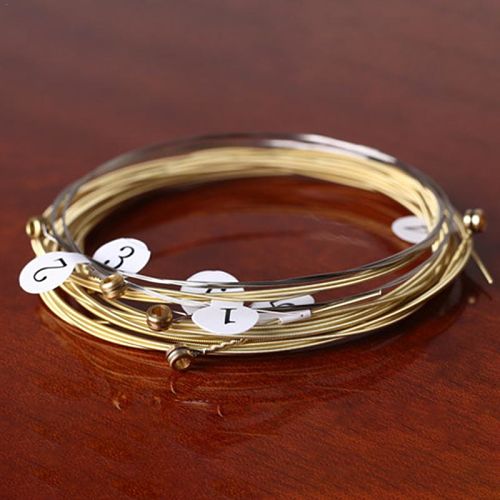
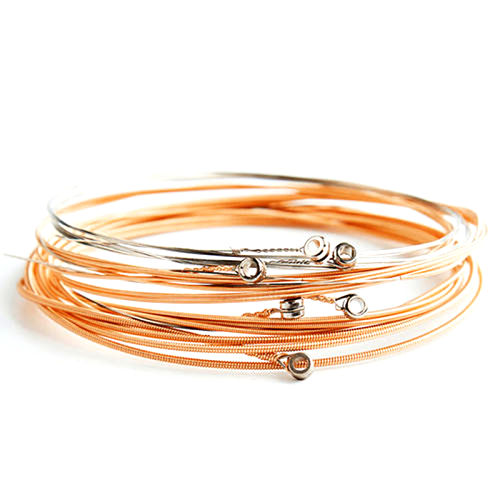
The acoustic strings for folk guitars are typically made of steel or bronze. Steel strings are highly prized for their brightness and clarity, while bronze strings or phosphor-bronze strings offer a warmer and softer sound. Bronze strings are often used for classical guitar, while steel strings are more commonly used for acoustic guitar, dreadnought guitar, or electro-acoustic guitar.
Coated and Uncoated Folk Guitar Strings
The lifespan of the strings and their sound can also be influenced by a coating. Uncoated strings, like the D’Addario strings or Elixir strings, tend to offer a more natural sound but have a shorter lifespan due to oxidation. Coated strings, on the other hand, resist sweat and dirt better, thus extending their lifespan and freshness. However, they may cost more to purchase.
Round Core vs Hexagonal Core Folk Guitar Strings
Finally, round core strings and hexagonal core strings are two common types of folk guitar strings.
Choosing the right strings for your folk guitar
The choice of acoustic strings is crucial for any musician, regardless of their style. For a folk guitar, several factors come into play: the material of the strings, the tension of the strings, the thickness of the strings and of course, the brand of the strings. Reputable string brands like D’Addario, Elixir and Gibson offer a wide range of quality strings suitable for different styles of music and different types of guitars, including the dreadnought guitar, the Martin guitar and the Yamaha guitar.
Understanding the importance of string gauge
The gauge of the strings, or their thickness, has a significant impact on the sound and playing comfort. Thicker strings produce a richer and more powerful sound, but can be more difficult to play for some. The choice of gauge also depends on the type of guitar: for example, a classical guitar uses nylon strings, while an acoustic guitar uses steel or bronze strings. A thicker gauge will also be more durable, thus extending the lifespan of the strings. It is therefore important to balance these factors when buying strings.
Consider the type of music to play to choose your strings
The style of music you plan to play can also influence your choice of strings.Bob Dylan and the Beatles were known for their use of acoustic guitars with bronze or phosphor strings. Conversely, if you plan to play softer music or if you are a beginner, you may prefer thinner strings for increased ease of play.
Considering play comfort and ease of play
Finally, play comfort is another factor to consider. Some strings, like smooth strings, can be more comfortable for the fingers, while others, like burst strings, can offer better grip. If you plan to play for long periods, it may be better to choose strings that are comfortable for your fingers. Additionally, if you are a beginner player, smoother and thinner strings may be easier to play.
Maintaining and changing your folk guitar strings
The acoustic strings of your folk guitar are essential for producing quality sound. Whether it’s playing folk blues, folk music, or reproducing the melodies of Bob Dylan or the Beatles folk, regular string maintenance is necessary. It is crucial to understand the role of string tension, string material, and their thickness in the sound of your guitar. Moreover, choosing your strings well when purchasing is just as important. There are several string brands favored by musicians, like D’Addario, Elixir
When and why to change your folk guitar strings
The lifespan of the strings mainly depends on their usage. Worn strings can alter the tone of your guitar, thus affecting the quality of the folk music. If you notice a decrease in the freshness of your strings or if a string is broken, it’s time to change them. Some musicians also prefer to change their strings before a folk concert to ensure optimal performance.
How to change the strings on your folk guitar
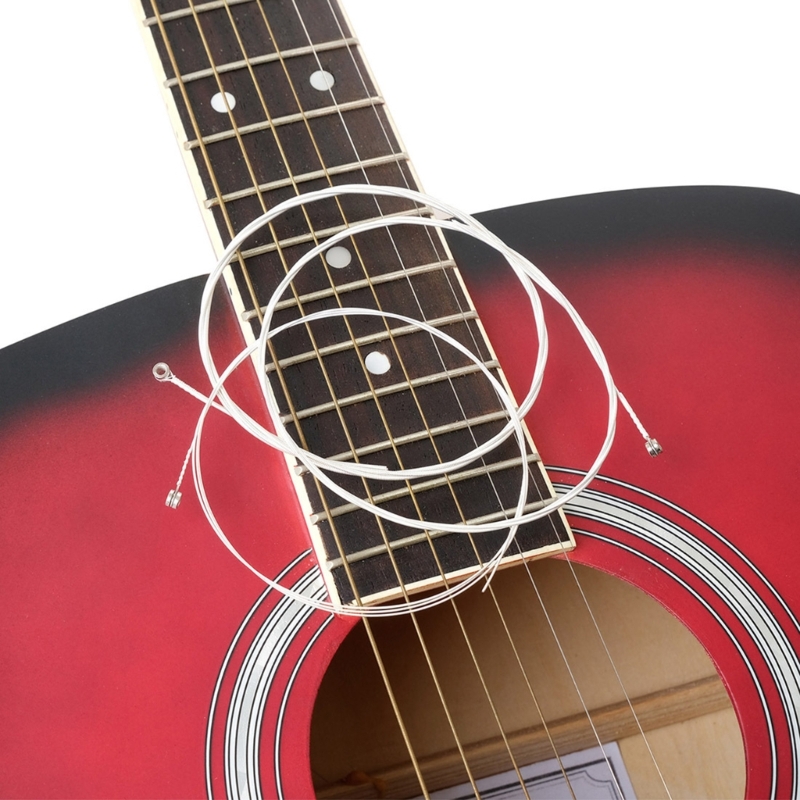
The process of changing strings on a folk guitar is quite simple. You will need a new pair of strings, available in various materials such as steel, bronze, phosphorus or nylon. The classical guitar generally uses nylon strings, while the folk guitar often uses steel strings. Each type of string has its own texture and offers a unique sound. Once you have removed the old strings, simply attach the new ones in the correct order and tension.
Tips for prolonging the life of your strings
To increase the durability of your strings, it is advisable to take care of them regularly. Avoid touching the strings with dirty hands so as not to alter their solidity and their shine. After each playing session, clean the strings with a soft cloth to remove dirt and sweat. Finally, store your guitar in a dry place and out of the wind to prevent string oxidation. This way, your strings will maintain their sound and shine for longer.