All About Bottleneck Guitar
The world of guitar is full of varied techniques that offer incredible sound richness. Among them, the bottleneck guitar, also known as slide guitar, is a technique mainly used in blues and country music. Originally, musicians used the neck of a bottle, hence the name “bottleneck”, slid along the strings to produce a unique and melodious sound. Music greats like Jimi Hendrix and Muddy Waters have helped popularize this technique.
Definition and History of Bottleneck
The bottleneck technique involves sliding a tube, often made of glass, metal or ceramic, along the strings of a guitar, thus creating a distinctive sound. This technique emerged in the early 20th century, in the southern United States, and has become a central element of blues music. Blues legends like Duane Allman and Ry Cooder have mastered this technique and used it to create memorable solos.
The Different Types of Bottlenecks and Their Materials
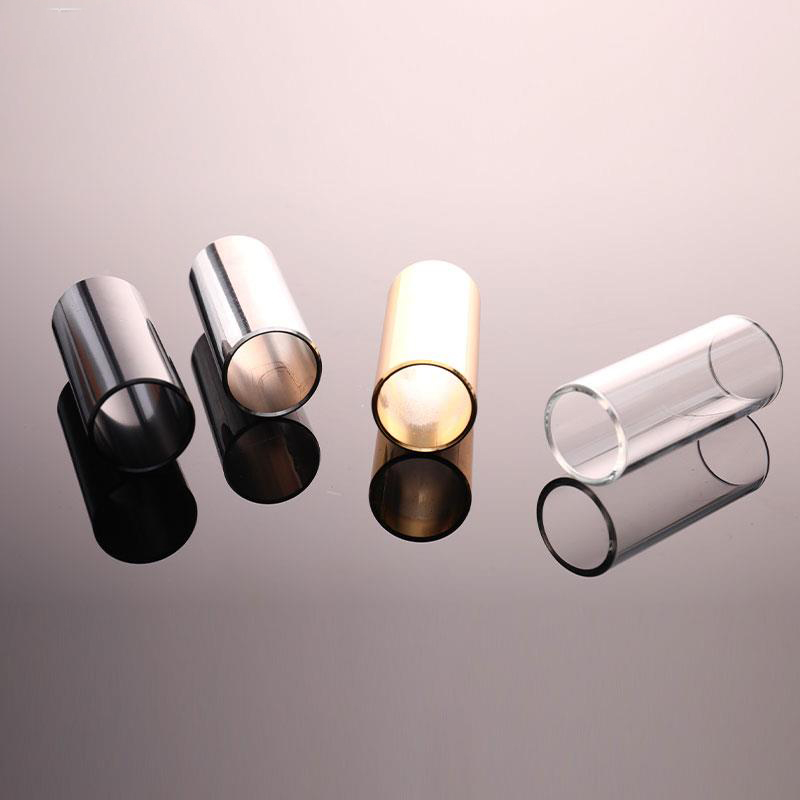
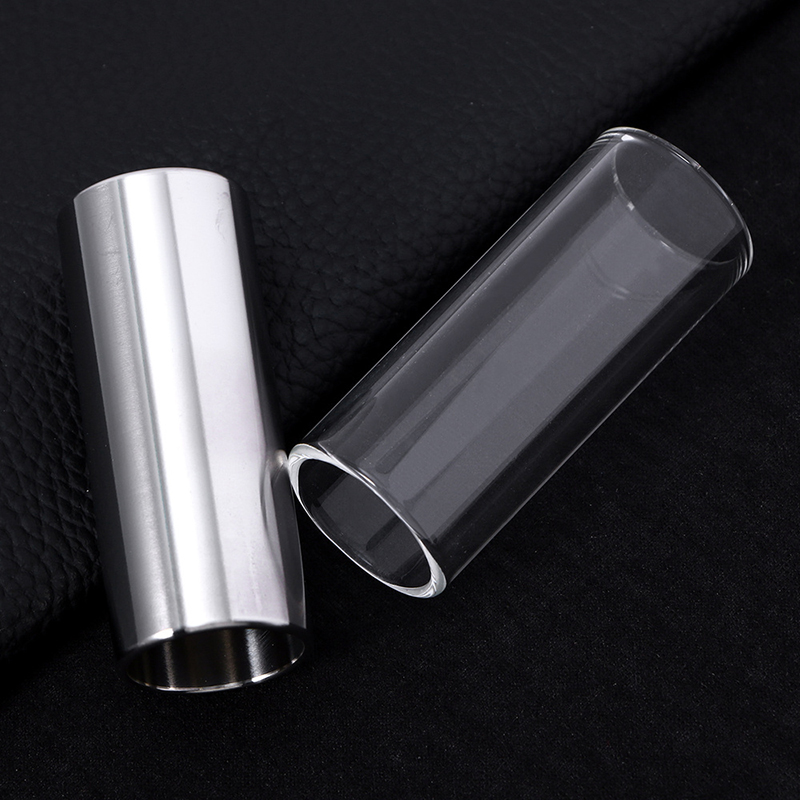
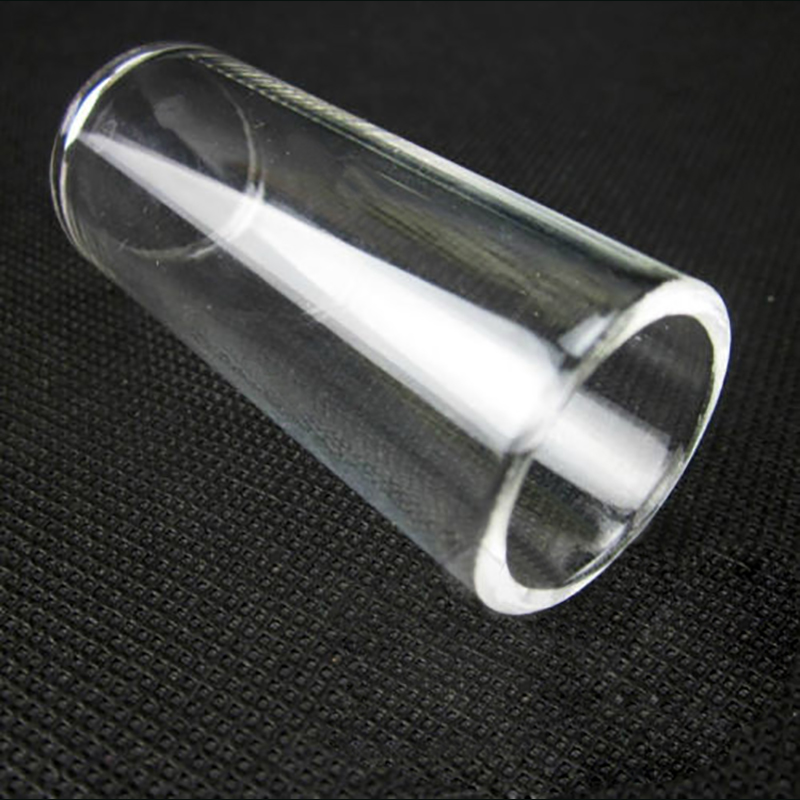
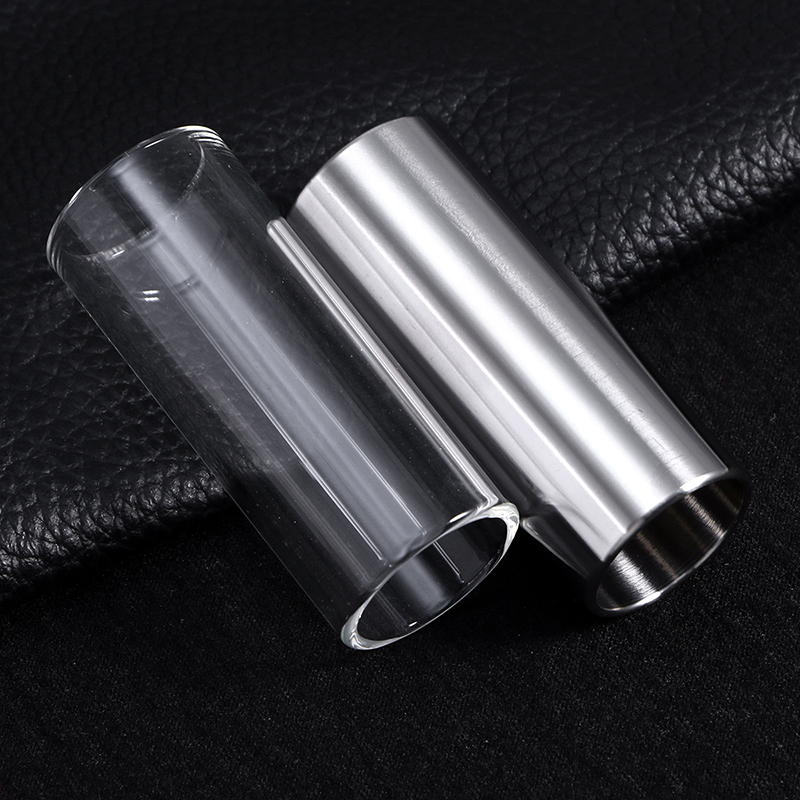
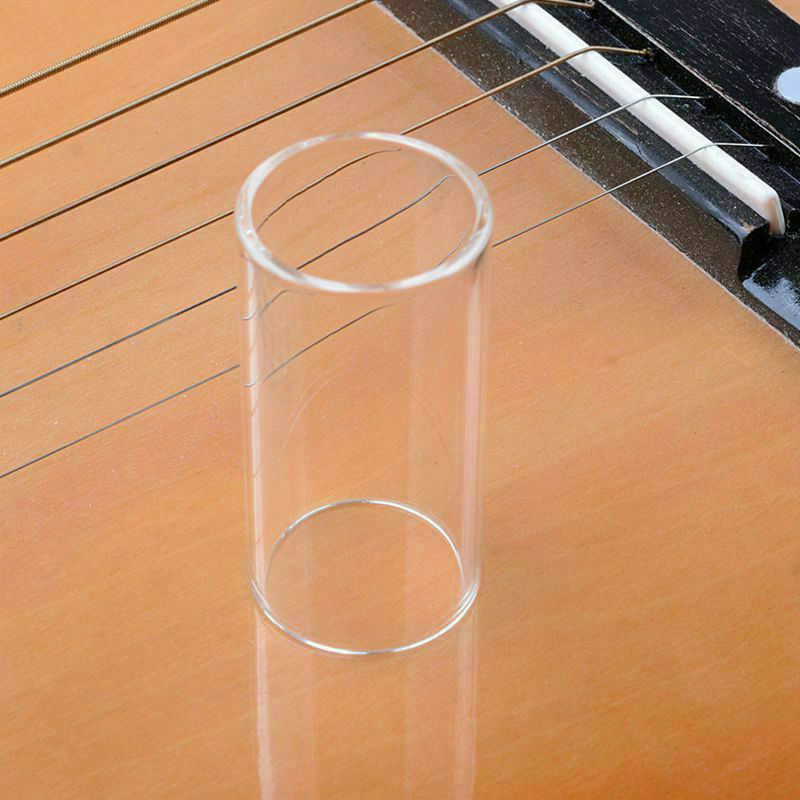
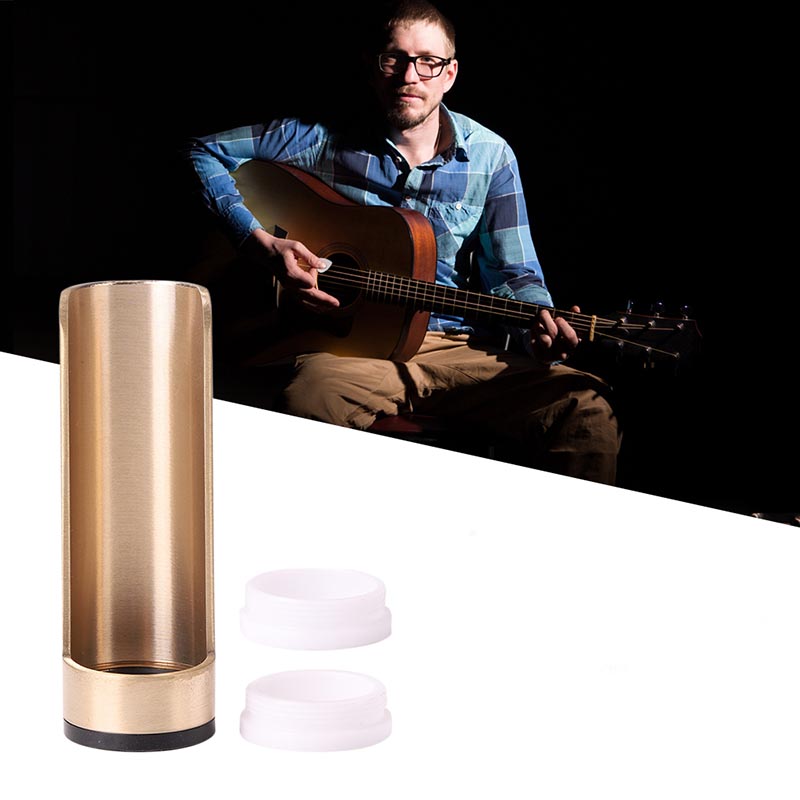
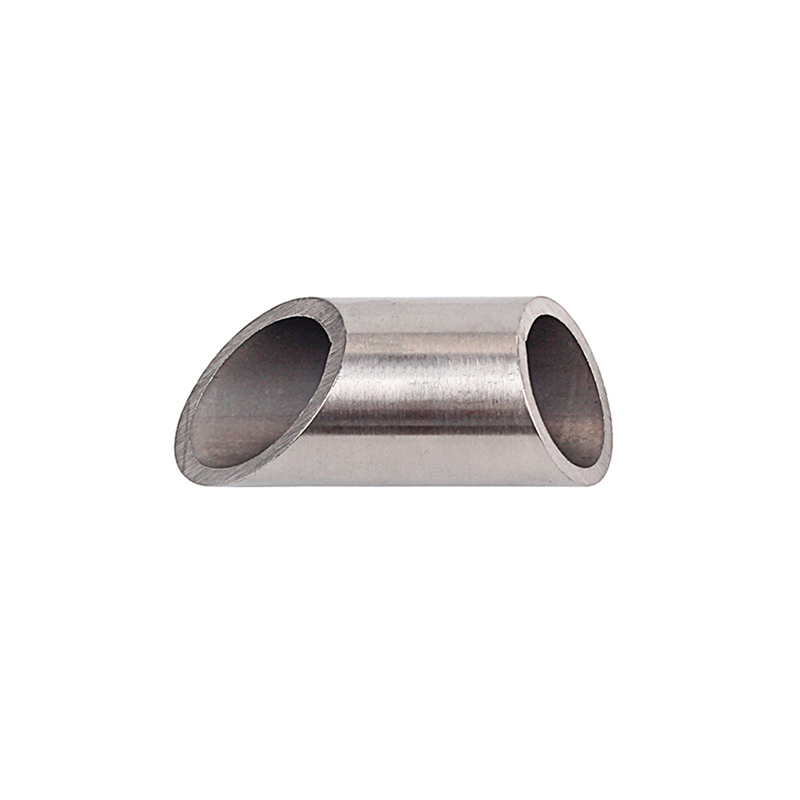
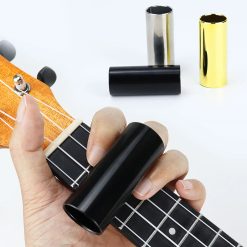
There are several types of bottlenecks, each offering a unique sound and feel. Glass bottlenecks, for example, produce a soft and warm sound, while those made of steel or brass give a brighter and more metallic sound. Ceramic bottlenecks, on the other hand, offer a balance between the two, with a rich sound and good durability. Each musician can choose the type of bottleneck that best suits their style and playing technique.
The Ideal Guitars for Bottleneck
The bottleneck technique can be used on almost all types of guitars, but some are particularly suitable.
Learning the Basic Techniques of Bottleneck
To start your journey into the world of bottleneck, it is imperative to understand the basic techniques. Whether you are a fan of blues guitar or have a leaning towards country influences, the bottleneck offers a unique palette of sounds. From Jimi Hendrix to Duane Allman, many are the great names who have been able to exploit the riches of this technique. Learning the bottleneck may seem intimidating, but with a good bottleneck tutorial and regular practice, you can quickly master the basics.
Correct Positioning of the Bottleneck on the Fingers
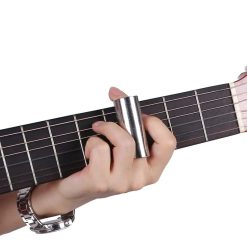
The first step towards learning the bottleneck is the correct positioning of it on the fingers. The bottleneck can be worn on any finger, although the middle and ring fingers are most commonly used. The size, shape, and material of the bottleneck are factors that can influence your comfort and playability. Whether you opt for a commercial bottleneck or a handmade bottleneck, make sure it suits your playing style and the size of your finger.
Learning to Slide the Bottleneck on the Strings
Once you have found the bottleneck that suits you, it’s time to learn how to slide it on the strings. This technique, known as slide guitar, gives your music a fluid and expressive sound, typical of blues and country.
Techniques for Controlling Sound and Avoiding Parasitic Noise
Finally, mastering the bottleneck also means knowing how to control the sound and avoid parasitic noise. It is essential to maintain constant pressure on the strings to get a clear sound and use your free hand to mute unused strings. With practice, you will be able to produce refined and evocative sounds, which will give a new dimension to your guitar playing.
Improve YOUR Bottleneck Technique
The bottleneck is an exciting guitar technique that requires a lot of practice to master. It is commonly used in blues guitar and slide guitar, but it can also be adapted to other styles. Legends like Jimi Hendrix and Duane Allman were true masters of this technique, and their performances are excellent resources for learning and inspiration.
Practical Exercises to Improve Precision and Speed
The bottleneck courses and bottleneck tutorials online can be a great help for those who want to improve. They often offer specific exercises to improve the precision of bottleneck playing, such as tool holding exercises and string sliding exercises. The goal is to achieve precise control of the bottleneck on the string, without touching the frets.
How to Incorporate the Bottleneck into Different Musical Genres
Although the bottleneck is often associated with blues, it can be incorporated into other musical genres. For example, the bottleneck has significant country influences and can be used in the Lap Steel or Dobro style. In addition, by slightly modifying the technique, the bottleneck can be used to play rock, folk or even pop music. The important thing is to understand the principle of the bottleneck and adapt it to your musical style.
Tips for Developing Your Own Bottleneck Style
It is essential to experiment and play with different sounds to develop your own bottleneck style. Whether you prefer a glass bottleneck, ceramic, steel or brass, each material offers unique sounds. In addition, the shape of the bottleneck and how you hold it can also influence your sound. Don’t hesitate to try different models and sizes to find the one that suits you best and allows you to create your own unique sound.